
Introduction
Forex trading, also known as foreign exchange or FX trading, is one of the most active and exciting financial markets in the world. Yet for many beginners, it seems confusing and complicated. The truth is, Forex becomes much easier to understand once you break it down into simple parts. Whether you’ve heard about it from friends, seen it on social media, or are exploring ways to grow your income, this guide will give you a clear, beginner-friendly explanation of what Forex trading really is, how it works, and why millions of people participate in it daily.
Understanding the Basics
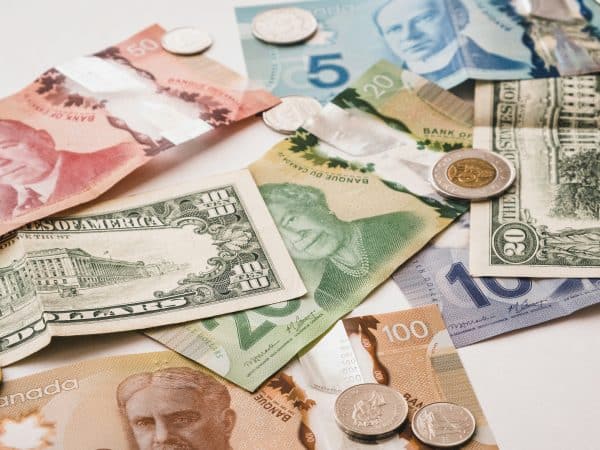
At its core, Forex trading means buying and selling currencies. Every country has its own currency — like the US Dollar (USD), the Euro (EUR), the British Pound (GBP), and the Japanese Yen (JPY). These currencies are constantly increasing or decreasing in value due to economic events, global news, and market conditions.
Forex trading allows you to make a profit by predicting whether one currency will strengthen or weaken against another. Unlike the stock market where you buy shares of companies, in Forex you trade currency pairs.
Examples of popular currency pairs include:
- EUR/USD – Euro vs US Dollar
- GBP/JPY – British Pound vs Japanese Yen
- USD/CAD – US Dollar vs Canadian Dollar
A pair simply shows the relationship between the value of two currencies.
How Forex Trading Works
When you trade a currency pair, you are doing two things at once:
- You buy one currency
- You sell the other
Let’s say you choose to buy EUR/USD. This means you expect the Euro to increase in value compared to the US Dollar. If your prediction is correct and the price rises, you make a profit. If your prediction is wrong and the price drops, you take a loss.
What makes Forex powerful is that you can also make money when the market is falling, by selling first and buying later. This is called “going short.”
Forex is open 24 hours a day from Monday to Friday, which gives traders around the world the chance to trade at any time, depending on their schedule.
Why Forex Prices Move
Currency prices don’t move randomly. They react to several global factors such as:
- Economic news (inflation, employment, GDP)
- Interest rate decisions by central banks
- Political events & global conflicts
- Market sentiment (fear, confidence, trends)
Supply and demand
For example, if the US economy releases strong job data, the US Dollar may strengthen. If a country faces political instability, its currency might weaken. Successful traders learn how to understand these factors and use them to make informed decisions.
Tired of losing trades? Open a Libertex account to start trading stocks and forex with the professionals today.
Who Trades in the Forex Market?
The Forex market is extremely large in fact, it is the largest financial market in the world, with trillions of dollars traded daily. Participants include:
- Big banks and financial institutions
- Central banks
- International companies
- Hedge funds
- Brokers
- Retail traders (people trading from home, like you)
Technology has made Forex more accessible than ever. Today, anyone with a smartphone and internet connection can trade through a reliable broker.
How Forex Traders Make Money
Forex traders profit from pips, which are tiny price movements. When a pair moves up or down by a number of pips, your profit depends on:
- Your lot size (trade size)
- Your leverage
- The direction of your trade
- How many pips price moves before you close the trade
Leverage lets you control a large trade with a small amount of money. But it must be used carefully because it increases both profits and losses.
Key Terms Beginners Should Know
To succeed in Forex, you need to understand a few important terms:
- Pip: The smallest unit of price change.
- Lot size: The amount of currency you are trading.
- Leverage: A tool that multiplies your trade size.
- Spread: The difference between the buy and sell price a small fee your broker charges.
- Stop-loss: A safety tool that closes your trade automatically to limit loss.
- Take-profit: Automatically locks in profit when price reaches your target.
These tools help traders manage risk and trade smartly.
Is Forex Trading Easy?
Forex is simple to understand, but not easy to master. Many beginners lose money because they jump into live trading without learning the basics, practicing, or managing risk. To improve your chances of success, you need:
- Proper education
- A good trading strategy
- Emotional discipline
- Patience
- A plan you stick to consistently
When treated like a skill and not a get-rich-quick scheme, Forex can become a reliable income-generating activity.
Final Thoughts
Forex trading is simply the act of buying and selling currencies to profit from changes in their value. It is global, fast-moving, and full of opportunities. While it takes time and proper training to become profitable, many traders around the world use Forex as a path toward financial growth and independence.
If you’re just beginning, start slowly, learn the fundamentals, practice on a demo account, and build confidence before going live. With the right mindset and education, Forex can open the door to a world of financial possibilities.
Also read: Must Avoid – Critical mistakes made by beginners in Forex market – Part 1
Thank you for taking the time to read. Follow for the latest news and information.telegram