

Introduction,
In trading, a pending order is one that has been placed but has yet to be executed. Pending orders are used by traders to specify the conditions under which they want to enter or exit a transaction.
Typically, one of these conditions is a certain price at which they want the transaction to conclude. Pending orders remain in force until the trader terminates them or the target price is attained.
Pending orders, in its most basic form, allow traders to automate their trading strategy by pre-determining entry and exit locations based on market information and expectations.
The two basic types of market orders are “Buy” and “Sell”.
Everything is going great thus far, correct?
Market orders are one of two types of orders: buy or sell at the current price.
However, things aren’t always that straightforward. As a trader, you may want to create a “standing order” that tells you to sell or buy in a certain condition in the future.
The phrase “pending orders” refers to these orders. When you place a pending order, you are telling your broker precisely what you want to happen if a certain investment or currency reaches and passes a specified price, either up or down.
In theory, your pending orders protect you from a market collapse if you have an open position but are unable to place the order immediately because you are away from your terminal or otherwise unconnected from your broker.
Types of Pending Orders in Forex
In forex trading, pending orders often occur in four primary types:
Buy Limit refers to the option to buy a securities if its price falls below a certain threshold. This prevents a sudden reduction in pricing. Assuming that if this support level is breached, it is impossible to predict how far the price would fall before hitting a new level of support, you may set this limit slightly below an apparent support level.
Sell Limit is a direction to sell a security if its price reaches or surpasses a certain amount. It is feasible to delete certain profits from the table using this order. You may set a sale limit for a security that is equal to or more than its target price. You now believe a security to be fully valued.
Buy Stop Also known as a “stop order to buy.” This is an order to buy a security at that price or higher. Based on technical trading theory, if a security breaks through this resistance point, it is poised for a bullish run to the upside, you may place this directly above a significant point of resistance.
Sell Stop is a permanent order to liquidate a security if the asking price lowers. Using the technical concept that the asset is poised for a bearish run if the trigger that previously acted to acquire it at that price is no longer there, you may place this order right below a significant level of support. To benefit from price drops, you should exit or construct a short position.
Putting Forex Pending Orders in Action
Depending on your trading application and brokerage, the specific technique for charting and/or entering them will vary.
Be careful—these guidelines are not foolproof. If you set a stop loss or limit order in a swiftly rising or falling market that is not highly liquid, the market may entirely disregard it.
If your brokers have a faster execution speed, they are more likely to be able to complete your transaction at the price you requested. To do this, they must first match your order with a willing counterparty. At any given price point, there is no guarantee that someone will want to buy what you’re selling.
Prices that exceed your stop and limit orders before your broker can execute the transaction may result in losses to your account. In other words, the quality of your pending orders is determined by your broker’s ability to execute them. Unless you are trading extremely short-term swings with large leverage, or both, it should not be a major issue under normal trading settings.
However, since bid-ask spreads may be relatively large, they become a major issue during times of excessive volatility and unpredictability.
Examples of pending orders in forex.
Let’s look at a couple samples from the charts we created:
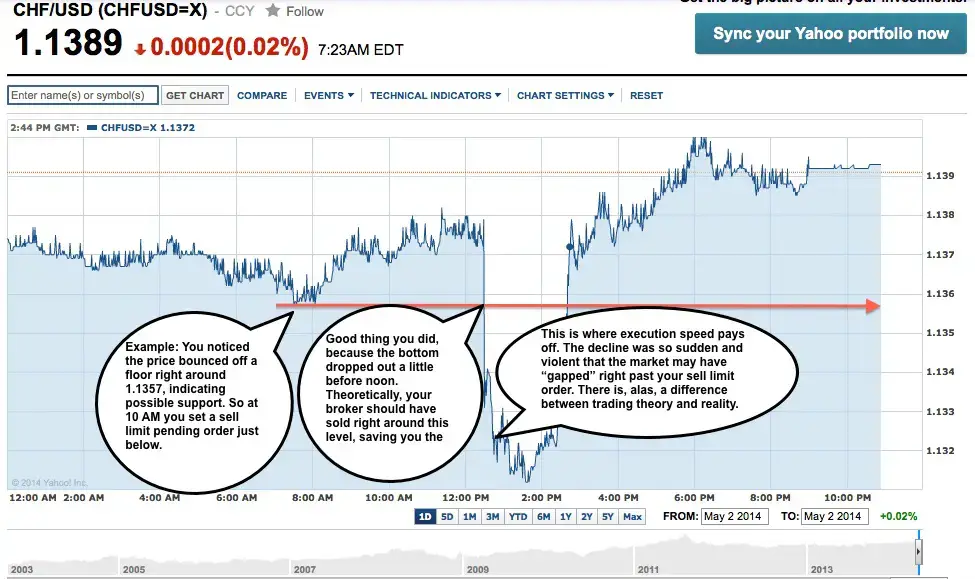
If your order was successfully pending, it saved you some money! However, markets might shift too quickly or too extensively to match you with a rival willing to pay that price. Limit orders and other pending orders get overburdened as a result.
Let’s now look at the sell limit order, which may be utilized as a “profit-taking” strategy. In other words, the trader may sometimes want to make sure he utilizes the money before the market goes against him.
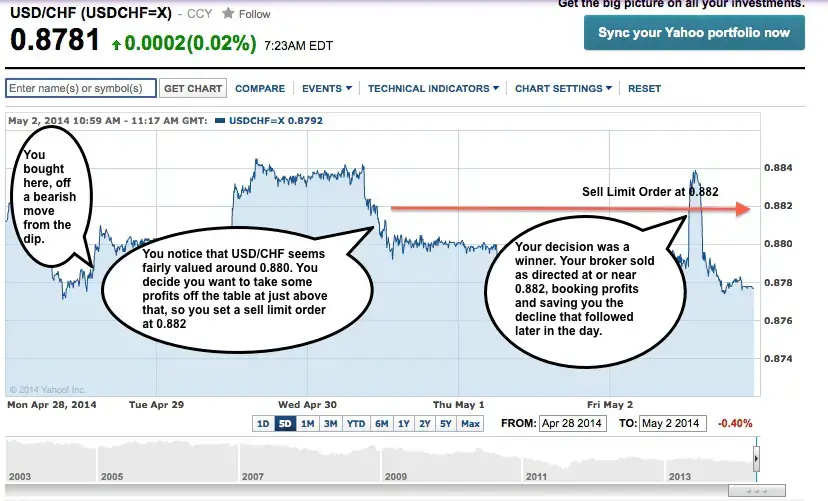
These are two defensive techniques designed to lessen your risk. The next two upcoming orders are inflammatory. They are meant to hinder a transaction that you have solid reason to believe has a better than even chance of success. If you trust in some aspects of forex, invest your money in CDs.
This is the purchase stop, often called the “stop order to buy,” as displayed in a genuine chart:
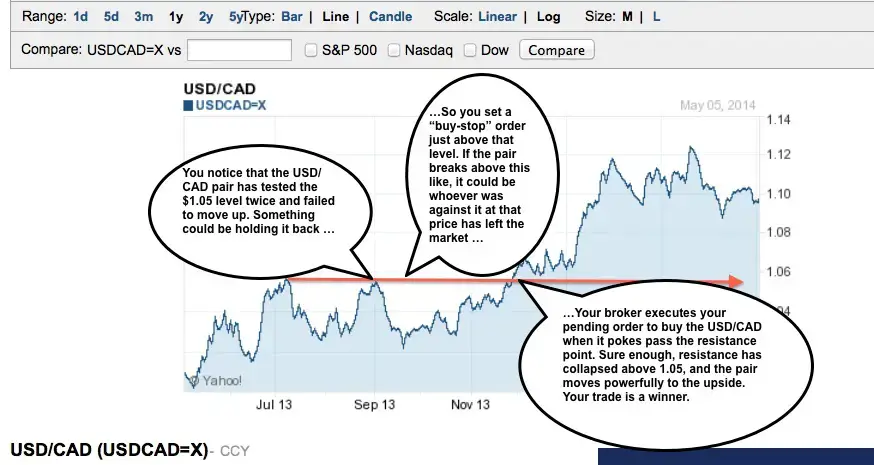
Using a sell stop may protect you against unanticipated reductions in the value of an asset or currency pair. If you like this one, Forex: An Art That Demands to be Mastered.
Tired of losing trades? Open a Libertex account to start trading stocks and forex with the professionals today.
FAQs about the Pending Order Trading Strategy
What is the duration of pending trades?
A variety of factors may influence how long it takes for a pending agreement to finish, including:
Market Conditions: If the market quickly reaches the price you specified in your pending order, it may execute very immediately. If the market diverges from the price you chose, the order may remain pending until the conditions are met.
Order kind: Another aspect influencing execution time is the kind of pending order you placed. A limit order may take longer to execute if the market does not reach your specified price, but a market order will execute immediately if the desired price is available.
Liquidity: Because there are more buyers and sellers available in highly liquid markets, orders often execute faster. In less liquid markets, pending orders may take longer to execute, especially if the indicated price is much higher than the prevailing rate.
Trading Session: The rate at which orders are processed might vary based on the time of day and trading session.
Pending trades may take a few seconds, several hours, or even longer to complete, depending on the market conditions and your specific trading preferences.
What distinguishes a Market Order from a Pending Order?
A market order and a pending order differ primarily in terms of when and at what price an order is executed.
A market order is filled straight away at the current pricing. A market order essentially states, “I want to buy or sell this asset right now, at whatever the going rate is”.
However, with a pending order, you may specify the conditions under which you wish your transaction to be carried out. The order is held on hold until the market reaches the price you have set for buying or selling. It’s essentially saying, “I want to buy/sell this asset, but only if the price reaches a certain level.”
Finally, pending orders are not executed unless specific conditions are met, while market orders are executed instantly at the current rate.
What Happens to Pending Orders in Forex When the Market Closes?
Pending orders in Forex trading sometimes stay active long after the market closes for the day. Unlike the stock market, which has a fixed closing time, FX does not. It is available around the clock. As a consequence, any outstanding orders you have put up will stay in force until they are canceled, triggered, or reach their expiration date.
Brokers may vary in this respect; some may cancel pending orders that are not fulfilled before the end of the weekend.
Different sessions may have different trading conditions, which may affect when and how your pending orders are processed.
Is it possible to place a pending order before the market opens?
Before the market opens, you may place pending orders on a variety of brokerage platforms. They are sometimes referred to as “extended-hours orders” or “pre-market orders.” However, keep in mind that not all brokers provide this function, and trading before the market has its own set of limits and risks.
It’s a good idea to contact your broker and learn about their specific regulations and procedures for placing orders ahead of time.
Conclusion: Forex. Pending orders
Understanding Forex It is critical for all traders to have outstanding orders. Pending orders become your dependable buddy since the Forex markets are constantly active, supporting you in making judgments even when you are not looking at your computer. Consider pending orders to be your trading assistance, ready to act on your behalf if certain conditions are met.
By becoming a master at executing pending orders, you’ll be able to traverse the Forex market with ease and make sound decisions that will help you weather the storm and emerge triumphant.
Thank you for taking the time to read.Telegram Channel



